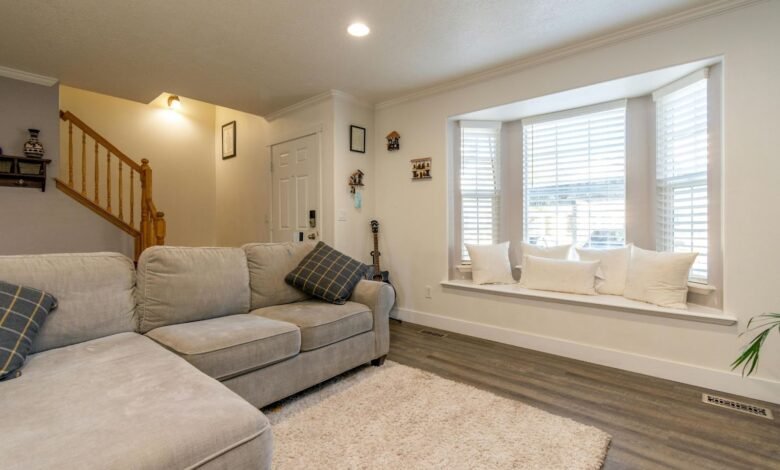
In home decor design, carpets in the living room can add a touch of warmth to the space, effectively reduce noise from walking and moving objects, and showcase the owner’s unique aesthetic and artistic vision, combining both practicality and beauty.
Carpet Selection: Three key factors—material, size, and maintenance—to ensure you choose the right carpet. Carpets are the “soft furnishing stars” of home spaces, enhancing the aesthetics while providing practical functions such as sound absorption, insulation, and slip resistance. When choosing a carpet, first consider the material wool carpets are soft and skin-friendly, suitable for bedrooms; synthetic fiber carpets are durable and easy to clean, ideal for living rooms; and pure cotton carpets are breathable and absorbent, suitable for bathroom doorways. Then determine the size; for living rooms, it’s recommended that the carpet covers the coffee table and extends 10-20 centimeters beyond the edges of the sofa.
Regarding Living Room Carpet Material Selection:
Polypropylene (PP) Material: Polypropylene is a high-strength, highly durable plastic. PP carpets have good wear resistance and chemical resistance, making them suitable for high-traffic areas such as kitchens and bathrooms. In addition, PP carpets generally have good sound absorption properties, reducing floor noise.
Nylon Material: Nylon is a high-strength, highly elastic synthetic fiber. Nylon carpets have good wear resistance and oil resistance, making them suitable for areas requiring high levels of cleanliness, such as restaurants and commercial establishments. Furthermore, nylon carpets generally have good water absorption properties, quickly absorbing moisture.
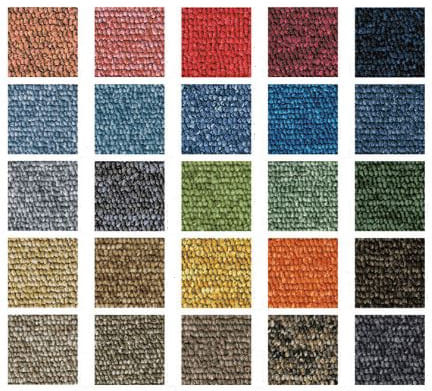
Wool Material: Wool carpets refer to carpets woven primarily from wool. Their advantages include a soft feel, thick texture, good anti-static properties, and resistance to aging and fading. Wool carpets have good sound absorption capabilities, reducing various noises.
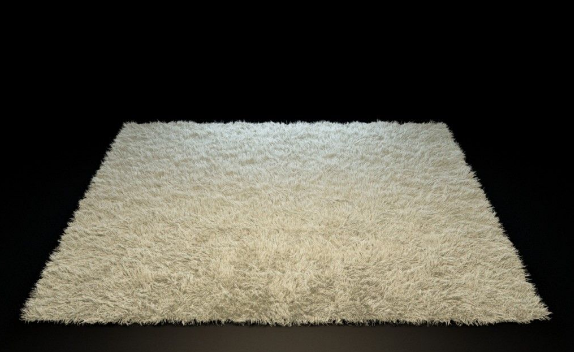
Pure Cotton Material: Pure cotton carpets are anti-static, highly absorbent, soft and comfortable underfoot, and easy to clean, as they can be directly washed in a washing machine. Pure cotton carpets are available with or without a backing; the backing primarily provides anti-slip properties. Because pure cotton carpets can be produced mechanically, they have high production volume and low prices. Combined with their excellent wear resistance and resistance to insect infestation and mildew, they are one of the most popular types of carpets.
Living Room Carpet Color Matching Design
When choosing a living room carpet, it’s important to consider how well the carpet matches the overall decor style.
For a minimalist style, a solid-colored carpet is a good choice; if the furniture is velvet or has a strong color, a carpet with a single pattern can be considered; if the furniture is a single color or lacks design elements, a geometric pattern carpet can be chosen to complement it.
How to Avoid Pitfalls When Choosing a Living Room Carpet?
6 Common Mistakes to Avoid When Buying a Carpet – Especially for First-Time Buyers!
First-time carpet buyers often fall into common traps and end up choosing unsuitable products.
Mistake 1: Focusing only on appearance and ignoring the material. Long-pile carpets look nice but trap dust and are difficult to clean, making them unsuitable for families with children; Mistake 2: Blindly pursuing large sizes. Large carpets in small apartments can make the space feel cramped and oppressive;
Mistake 3: Neglecting anti-slip properties. Carpets without anti-slip backing are prone to slipping, especially in homes with elderly people and children;
Mistake 4: Ignoring cleaning difficulty. Wool carpets are nice but difficult to maintain, so renters should be cautious;
Mistake 5: Buying cheap carpets. Low-quality carpets may contain excessive formaldehyde, posing a health risk;
Mistake 6: Not considering the usage scenario. Pure cotton carpets in bathrooms are prone to mold, and long-pile carpets in entryways easily accumulate dust. Avoiding these mistakes will help you choose the right carpet.
Living Room Carpet Maintenance
Clean your carpet this way, and it will stay mold-free and odor-free for ten years!
Many people think carpets are difficult to maintain, but the truth is they haven’t found the right method. Mastering these techniques will keep your carpet looking new for ten years. For daily cleaning, vacuum the surface dust weekly, paying special attention to corners and hard-to-reach areas under the sofa; for liquid stains, first blot up the liquid with a tissue, avoiding vigorous rubbing, then gently wipe with a diluted neutral detergent, and finally rinse with clean water; perform a deep cleaning of the carpet monthly; long-pile carpets can be sent to a dry cleaner; during humid seasons, place a moisture-proof mat under the carpet, and ventilate wool carpets regularly but avoid direct sunlight. This will prevent mold and odors.
Living room carpet trends
In 2026, eco-friendly and customized options will become mainstream, and new materials are worth paying attention to.
The carpet industry is rapidly developing towards eco-friendliness, customization, and functionality. More and more brands are launching carpets made from recycled PET fibers, which are both environmentally friendly and durable, aligning with young people’s green consumption philosophy. Customized carpets have also become a new favorite, allowing consumers to customize carpets with specific sizes and patterns based on their home layout and decoration style, meeting personalized needs. Functional carpets are also a major highlight: sound-absorbing carpets are suitable for home theaters, antibacterial carpets are ideal for children’s rooms, and non-slip carpets are a necessity for elderly people’s rooms. In terms of materials, natural materials such as bamboo fiber and linen carpets are also gradually becoming new market choices.
The living room carpet should be changed seasonally
Carpets also need to be changed according to the season to suit different home needs. In the humid spring, bamboo fiber carpets are suitable because they are breathable, moisture-proof, and less prone to mold; in the hot summer, linen carpets are cool and breathable, feeling refreshing but not icy when you walk on them barefoot; in the dry autumn, wool blend carpets are soft and skin-friendly, adding a sense of warmth to the space; in the cold winter, thick, long-pile carpets are warm and cozy, perfect for lounging on while watching TV or reading. Choosing the right carpet for each season not only enhances comfort but also allows your home style to be refreshed with the changing seasons.
Every family has different needs when it comes to the “perfect carpet.” We’ve compiled and researched design solutions for living room decor on the Eclife platform and found six of the most practical and popular living room carpet designs. These designs encompass various styles, including vintage, modern, and minimalist, aiming to meet the diverse requirements of different families and create a more comfortable living environment, making the living room a great place to entertain guests and relax.
Let’s take a look at these six living room carpet options and see if any of these design ideas appeal to you.
6 design ideas for living room carpets
1. Blended patterned carpet
This carpet features a vintage floral design with red and blue as the main colors, boasting delicate lines and rich textures. It complements the surrounding velvet sofas and wooden tables and chairs, creating a classic and luxurious feel. The red background and floral pattern contrast beautifully with the dark green sofa, becoming the visual focal point of the space.
Made from a blend of wool and synthetic fibers, this carpet offers a soft feel underfoot and excellent warmth. The blended material enhances its durability and stain resistance, effectively ensuring a clean and tidy living room.
2. Geometric pattern carpets
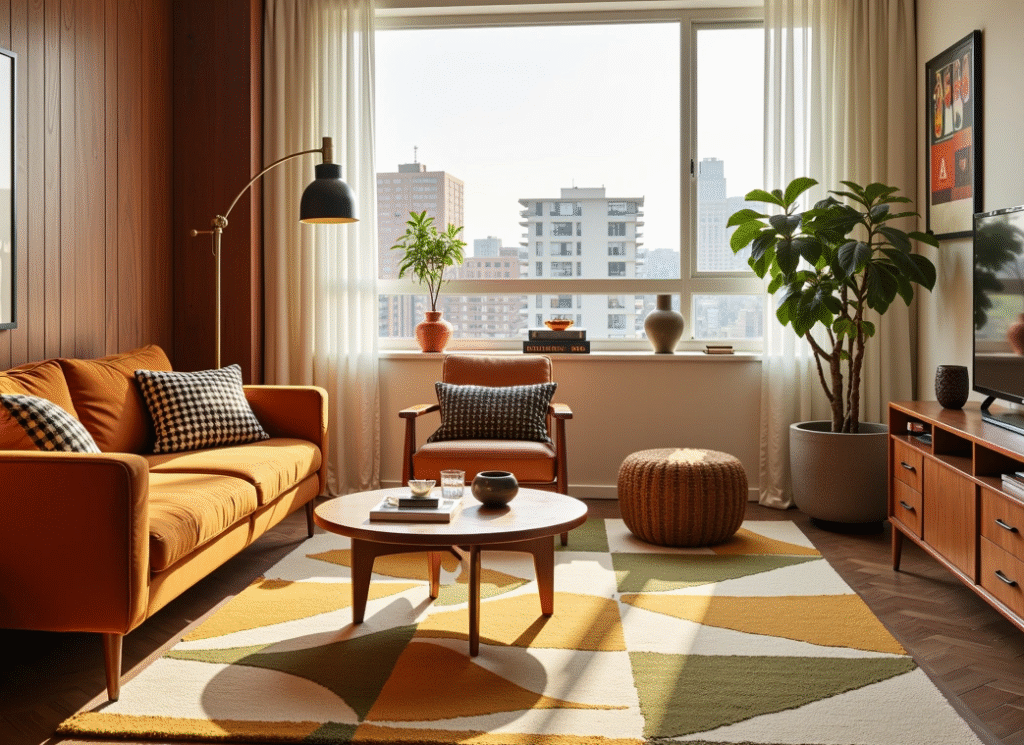
Geometric pattern carpets, through the combination of lines, shapes, and color blocks, create a visually rhythmic and orderly effect. Compared to solid-color carpets, geometric pattern carpets better highlight the personality of a space, making the overall environment more modern and artistic. Compared to light-colored solid-color carpets, geometric pattern carpets are less likely to show dirt during daily use. The variations in patterns effectively minimize the visual presence of dust and minor stains, making them particularly suitable for high-traffic areas such as living rooms.
Geometric pattern carpets are not only a floor covering material but also a visual focal point in a space. By coordinating with furniture, lighting, or wall colors, geometric pattern carpets can enhance the overall harmony of soft furnishings and improve the overall design completeness of the space.
3. Weaving a round rug
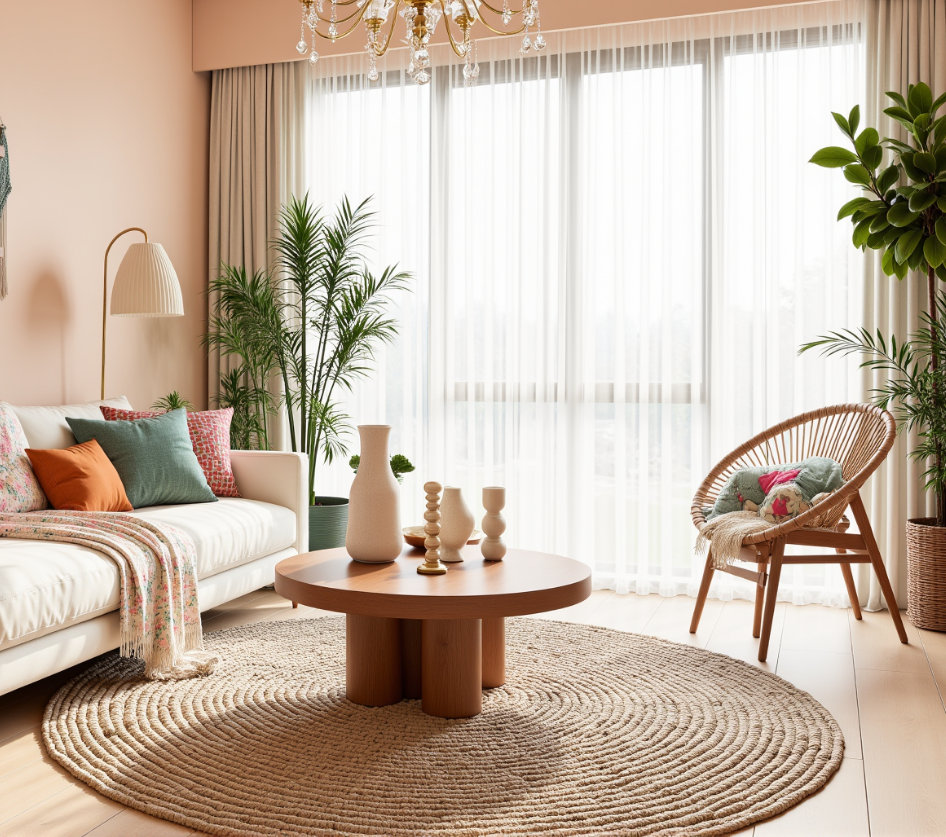
As environmental awareness becomes increasingly widespread, natural materials such as bamboo fiber and linen carpets are gradually becoming popular choices in the market.
Compared to ordinary machine-woven carpets, woven carpets maintain their shape well even after prolonged use, making them particularly suitable for high-traffic areas and offering a longer lifespan. Compared to thick, plush carpets, woven carpets have a more breathable structure, allowing for better air circulation and preventing water accumulation and mold growth. This makes them especially suitable for areas with high humidity, and they are less likely to develop unpleasant odors over time.
They are also safer to use: due to their moderate weight and the friction provided by the woven texture, they are more stable when laid on the floor and less likely to move. Using them with an anti-slip mat further enhances the anti-slip effect, reducing the risk of slips and falls, making them ideal for households with elderly people and children.
4. Simple, solid-color carpet
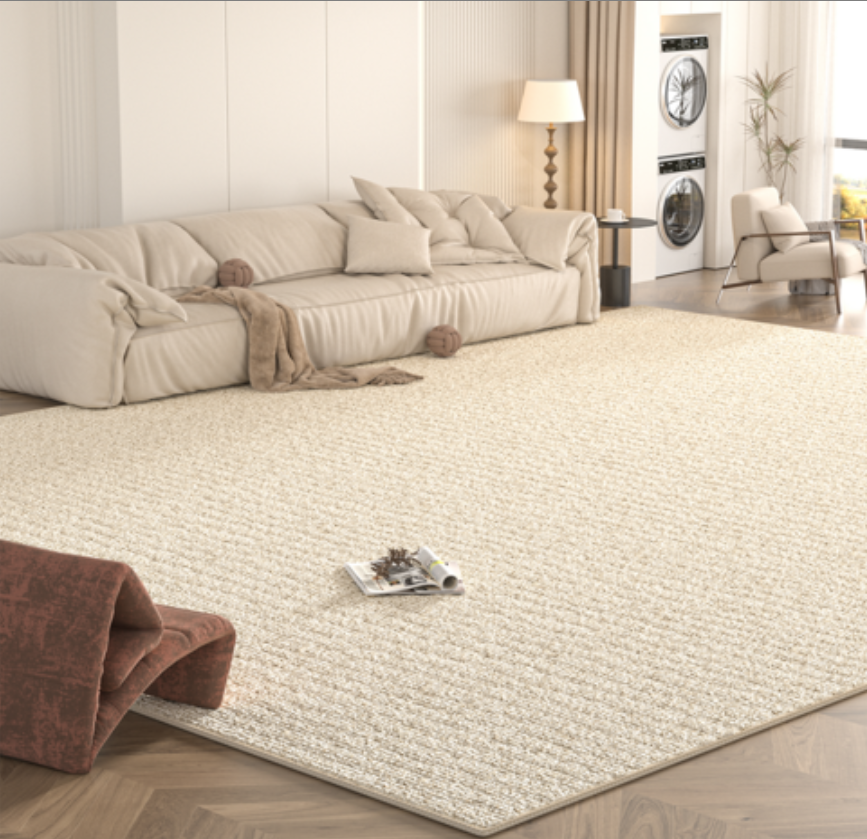
Simple, solid-colored carpets feature a single hue, eschewing complex patterns to create a cleaner and more organized visual space. Whether it’s the airy feel of light colors or the sophisticated atmosphere created by dark colors, they effectively elevate the overall aesthetic of a space, making them particularly suitable for modern, minimalist, and Scandinavian interior design styles. Compared to carpets with intricate patterns, solid-colored carpets have a simpler structure and are less likely to trap dirt and debris. Daily cleaning only requires vacuuming to maintain cleanliness, and some materials even allow for spot cleaning with water, resulting in low maintenance costs and making them ideal for fast-paced lifestyles and long-term use in commercial spaces.
5. Stylish colorful carpets
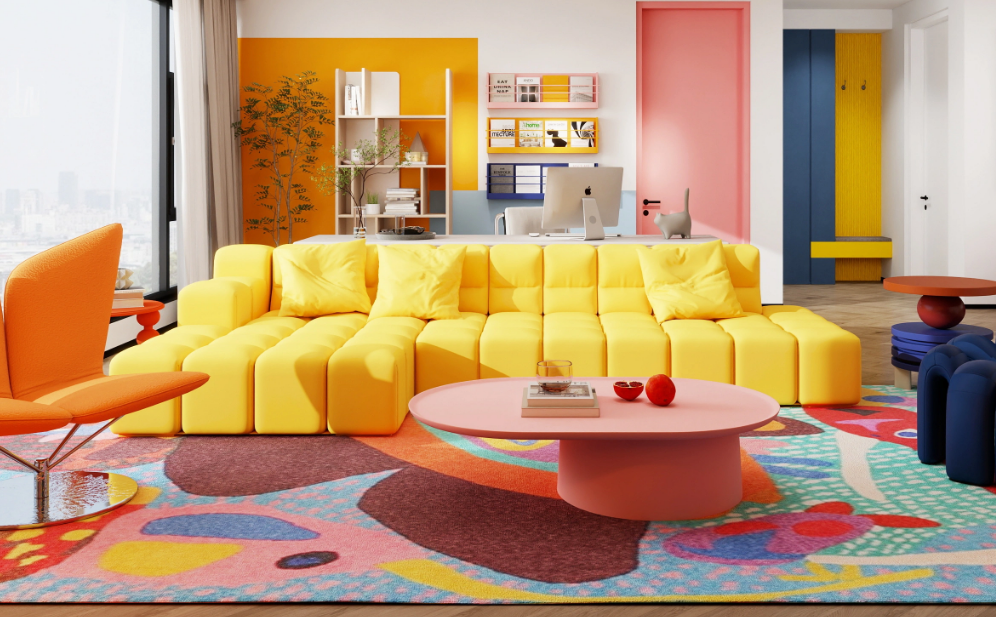
If there are children in the home, a colorful carpet can become a playground for them. Bright and soft colorful carpets can improve the overall atmosphere, making the space more inviting and fun. A pleasant environment helps children maintain a positive mood, making it easier for them to concentrate on reading, drawing, and learning activities. In a space with a colorful carpet, parents can play, read, or interact with their children, creating a warm and loving family atmosphere. The comfortable and safe carpet environment also gives parents peace of mind regarding their children’s daily activities.
Colorful carpets come in a wide variety of materials, with different materials suitable for different needs. Common materials include polypropylene, polyester, nylon, and natural cotton and wool. Synthetic fiber colorful carpets have stable colors, are fade-resistant, and highly durable, making them suitable for high-traffic areas; high-quality colorful carpets not only have an outstanding appearance but also possess excellent practical performance. Carpets can effectively insulate against cold, reduce noise, improve the indoor acoustic environment, and also provide a certain degree of slip resistance, enhancing daily safety. A reasonable pile height and density design ensures a balance between comfortable feel and durability in colorful carpets.
6. Soft wool carpet
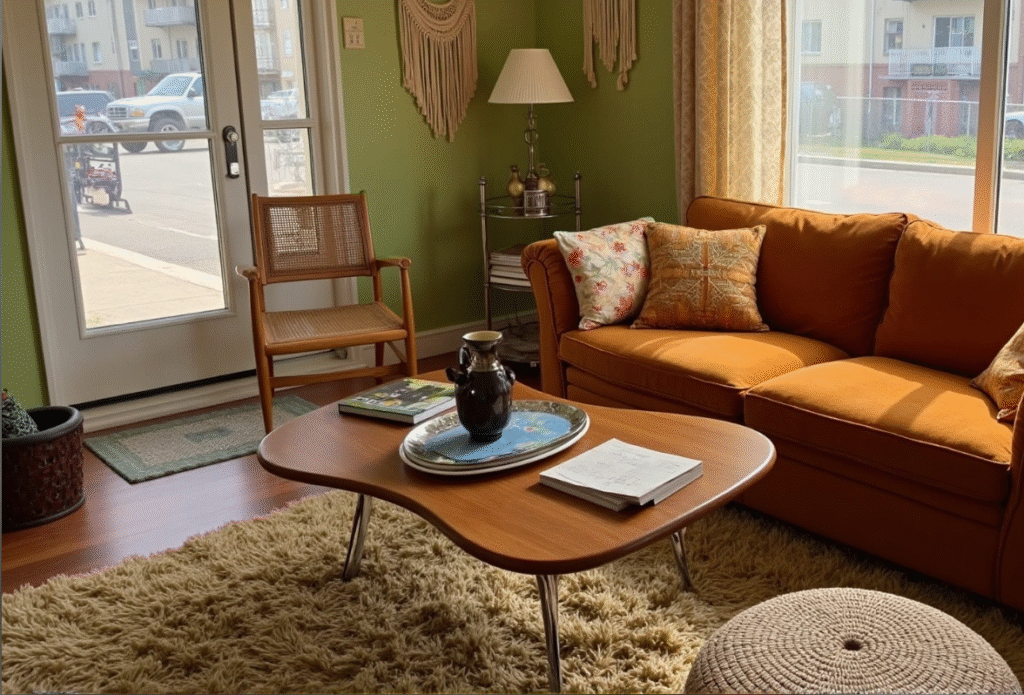
Wool carpets are made primarily from natural wool fibers, containing no harmful chemicals and offering superior environmental performance. Their natural fiber structure helps improve indoor air quality, making them suitable for families with high demands on their living environment, especially for spaces used by children and the elderly. Wool fibers themselves possess excellent elasticity and resilience, making wool carpets soft yet supportive underfoot, and resistant to flattening even with prolonged use. After installation, they significantly enhance living comfort, providing a better tactile experience for walking and resting.
Wool fibers contain numerous air pockets, providing excellent insulation. In winter, they effectively insulate against cold from the floor, while in summer they regulate foot temperature, ensuring a comfortable experience year-round.
High-quality wool carpet fibers are strong and resistant to breakage, maintaining their good condition for many years under normal use and maintenance. Compared to ordinary synthetic fiber carpets, wool carpets offer greater long-term value.
summary
A rug adds a touch of sophistication to everyday life.
A rug is more than just a home furnishing; it’s a small item that enhances the sense of occasion in life. On a weekend afternoon, spread a picnic mat on the rug, set out coffee and desserts, and enjoy a relaxing afternoon tea at home; during holidays, decorate the rug with fairy lights and flowers to instantly create a festive atmosphere; during family time, build blocks or read picture books with your children on the rug—the soft rug provides a sense of security for your children. A small rug carries the warmth of everyday life, making ordinary days refined and romantic.
Whatever carpet design you’re looking for, you can find it on the Eclife platform. Eclife is dedicated to improving the quality of life and comfort in your home.